Mpala Research Centre sits roughly 200 km north of Nairobi, near Nanyuki, on 48,000 acres of Laikipia savanna. A volunteer week with the Mara Predator Conservation Programme, based near Talek in the Masai Mara ecosystem, typically runs USD 200 to 350, indicative, for a seven-day placement with lodging included. Neither number matches the popular image of volunteering: no petting lion cubs, no bottle-feeding elephants on your first afternoon. Touring Insights breaks down what the work, the cost, and the logistics actually look like at Kenya’s real wildlife research stations, so you can plan a placement that matches what you will actually be doing.
What “Volunteering at a Research Station” Actually Means
Kenyan wildlife research stations run on data, not petting. Field teams collect GPS collar readings, download camera-trap memory cards, log predator sightings, and record human-wildlife conflict reports for rangers and county wildlife offices. A volunteer or short-term research assistant supports that work. You ride along on data-collection drives, help enter numbers into spreadsheets, and sometimes assist with community education visits near conservancy boundaries.
Direct animal contact is rare and, at reputable stations, usually against policy. Organizations that work with predators, elephants, or primates keep volunteers at a working distance to avoid habituating wild animals to people. If a program promises hands-on contact with big cats or elephant calves, treat that as a warning sign rather than a selling point.
Kenya’s Wildlife Research Stations and Volunteer Programs at a Glance
The table below lines up five real programs with distance from Nairobi, research focus, and indicative weekly costs. Figures vary by season and length of stay, so confirm current rates directly with each organization before booking.
| Program / Station | Location | Research Focus | Distance from Nairobi | Typical Access | Indicative Cost* |
|---|---|---|---|---|---|
| Mpala Research Centre | Laikipia, near Nanyuki | Savanna ecology, wildlife monitoring (Smithsonian/Princeton partnership) | approx. 200 km / 3.5 hr drive, or 45 min flight to Nanyuki | University-linked research assistant slots, apply direct | USD 150-250/week, indicative, room and board included |
| Ol Pejeta Conservancy | Laikipia, near Nanyuki | Rhino monitoring, K9 anti-poaching unit, general ecology | approx. 220 km / 4-5 hr drive, or 45 min flight to Nanyuki | Conservancy-run conservation volunteer program | USD 300-500/week, indicative, camp-based accommodation |
| Mara Predator Conservation Programme (Kenya Wildlife Trust) | Talek, Masai Mara ecosystem | Lion, hyena, and cheetah tracking; conflict mitigation | approx. 270 km / 5-6 hr drive, or 45 min flight to Musiara airstrip | Direct volunteer and internship placements | USD 200-350/week, indicative |
| Lion Guardians | Selenkay Conservancy, Amboseli ecosystem | Community-based lion tracking with Maasai warrior guardians | approx. 240 km / 4 hr drive, or 35 min flight to Amboseli airstrip | Short-term volunteer and internship stints | USD 250-400/week, indicative |
| Colobus Conservation | Diani, South Coast | Primate rescue and arboreal camera-trap research | approx. 500 km / 6-7 hr drive, or 1 hr flight to Ukunda | Volunteer placements, 2-4 week minimum | USD 200-300/week, indicative |
*Program fees are indicative weekly ranges reported by each organization at time of writing. They shift with season and stay length, so verify directly before you commit.
A Day in the Field: What the Work Involves
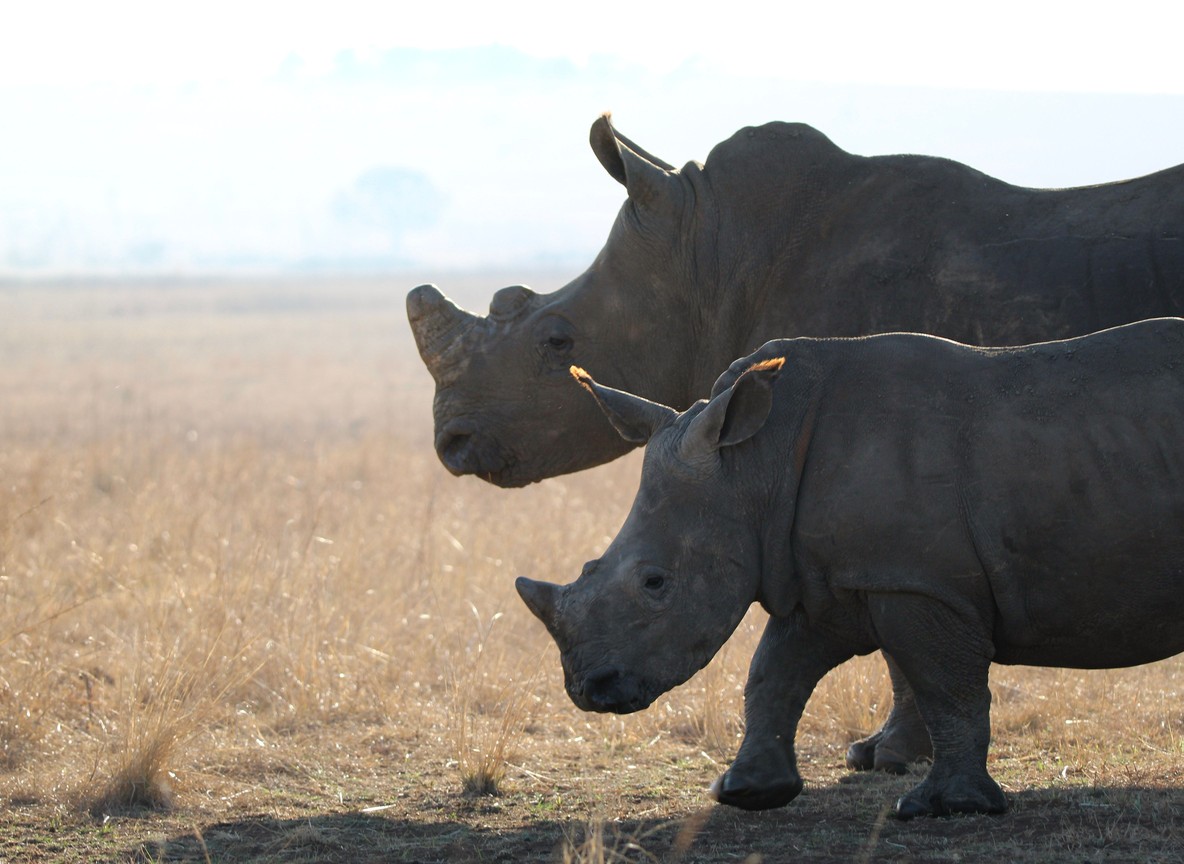
Most placements start before sunrise. Teams head out at first light because that is when predators are most active and easiest to track by radio collar signal or fresh spoor. A typical morning involves driving transects, noting GPS coordinates of sightings, and photographing individual animals for identification records that researchers use to track specific lions or rhinos over years.
Midday usually shifts indoors. Volunteers help log the morning’s data, charge camera-trap batteries, and sometimes review footage for species counts. Afternoons vary by program: some stations run a second short game drive before dusk, others use the time for community liaison work, visiting nearby villages to record livestock loss reports that feed into conflict-mitigation research. Evenings often include a debrief where the visiting researcher explains what the day’s data means for an ongoing study.
Skills and Qualifications You Actually Need
Most Kenyan research stations do not require a science degree. A genuine interest in fieldwork, physical fitness for early starts and rough roads, and comfort with basic data entry cover most placements. Programs working directly with GPS collaring or veterinary procedures, such as Ol Pejeta‘s rhino monitoring unit, sometimes prefer applicants with a wildlife biology or veterinary background, though this is not universal.
English fluency is standard across programs. A working knowledge of Swahili helps with community liaison work but is rarely mandatory. Most stations set a minimum age of 18, and some, including Mara Predator Conservation Programme, accept shorter placements of one to two weeks alongside month-long internships.
How Much It Costs and What’s Included
Program fees typically bundle accommodation, meals, and in-camp transport, but rarely cover the flight or drive to reach the station, travel insurance, or a Kenya visa. Ol Pejeta and Mpala placements often include shared bandas or tented camp accommodation inside the conservancy or research ranch. Mara Predator Conservation Programme and Lion Guardians volunteers typically stay in simple field camp housing near the research base rather than a tourist lodge.
Ask any program directly whether its quoted fee is per week or a flat rate for the full placement, since providers phrase this differently. Also confirm whether airport transfers from Nairobi are included or billed separately, since a 4 to 6 hour road transfer to Laikipia or the Mara adds real cost if arranged independently.
Getting There: Access and Logistics
Laikipia-based stations like Mpala and Ol Pejeta are reachable by road from Nairobi in under five hours, or by a roughly 45-minute flight into Nanyuki. Mara-based programs sit further out: expect a 5 to 6 hour drive via Narok, or a short flight to an airstrip near Talek or Musiara. Coastal placements at Colobus Conservation near Diani are best reached by air, since the road transfer from Nairobi runs 6 to 7 hours.
Most programs arrange a pickup from the nearest town or airstrip once you confirm a placement date. Independent travelers should still budget a buffer day either side of the placement, since flight schedules to smaller airstrips can shift with weather and demand.
How to Choose the Right Program for You
Match the program to what you actually want to do. If tracking predators is the draw, Mara Predator Conservation Programme or Lion Guardians put you closest to that work. If you want broader ecological fieldwork across multiple species, Mpala’s research base covers everything from elephants to birds within a single ranch. Travelers drawn to rhino conservation specifically should look at Ol Pejeta, home to Kenya’s largest black rhino population and the last two northern white rhinos on Earth.
Duration matters as much as focus. A one or two week stint suits a traveler adding a research component to a broader Kenya trip. A month or longer placement suits someone testing a future career in conservation science, and some programs reserve their most involved fieldwork, like collar deployment, for volunteers staying four weeks or more.
Explorer Notes
Ask any program for the name and credentials of the resident researcher you would work under, not just the organization’s brand name. Reputable stations name their lead scientist openly; vague answers on this point are worth a second look.
Pack for dust and cold mornings, not just heat. Laikipia and Mara field mornings often start below 15°C before climbing fast once the sun is up, and rough roads to collar sites kick up more dust than a standard game drive.
Confirm data-handling policy before you go if you plan to publish photos or field notes afterward. Some research stations restrict sharing exact GPS locations of rhinos or collared predators publicly, for the animals’ own protection, even after your placement ends.
Frequently Asked Questions
Do I need a science background to volunteer at a Kenya wildlife research station? No, most programs accept general volunteers with strong physical fitness and an interest in fieldwork. Roles involving veterinary or collaring work sometimes prefer a relevant academic background.
How much does a Kenya wildlife research placement cost? Weekly fees typically range from USD 150 to 500, indicative, depending on the organization and location, usually including accommodation and meals but not flights or a visa.
Can I combine a research station placement with a regular safari? Yes. Many travelers add a one or two week placement before or after a standard lodge-based safari itinerary, since most stations sit within a few hours of major safari circuits.
Will I get to touch or hold wild animals? Rarely, and reputable programs actively avoid it to prevent habituating wild predators, elephants, and primates to human contact. Expect observation and data work instead.
What is the minimum stay most programs require? It varies. Some, like Mara Predator Conservation Programme, accept placements as short as one week, while others, including Colobus Conservation, set a two to four week minimum.
If a hands-on research placement sounds like the right addition to your Kenya trip, pair it with a properly planned safari itinerary around it. Visit Touring Insights’ Tour Packages page to see operators who can build a trip around a Laikipia or Mara research stop, or reach out to a partner operator directly to check current placement availability.
What to Read Next
- Want the broader picture on ethical volunteer tourism in Kenya? Read our conservation volunteer safari guide.
- Curious about Ol Pejeta’s rhino sanctuary beyond the volunteer program? See our Ol Pejeta Conservancy rhino sanctuary guide.
- Planning a Laikipia stop around Mpala or Ol Pejeta? Check our Laikipia Plateau safari guide.